
Preserving Charm: A Homeowner's Guide to Exterior Painting for Historic Properties
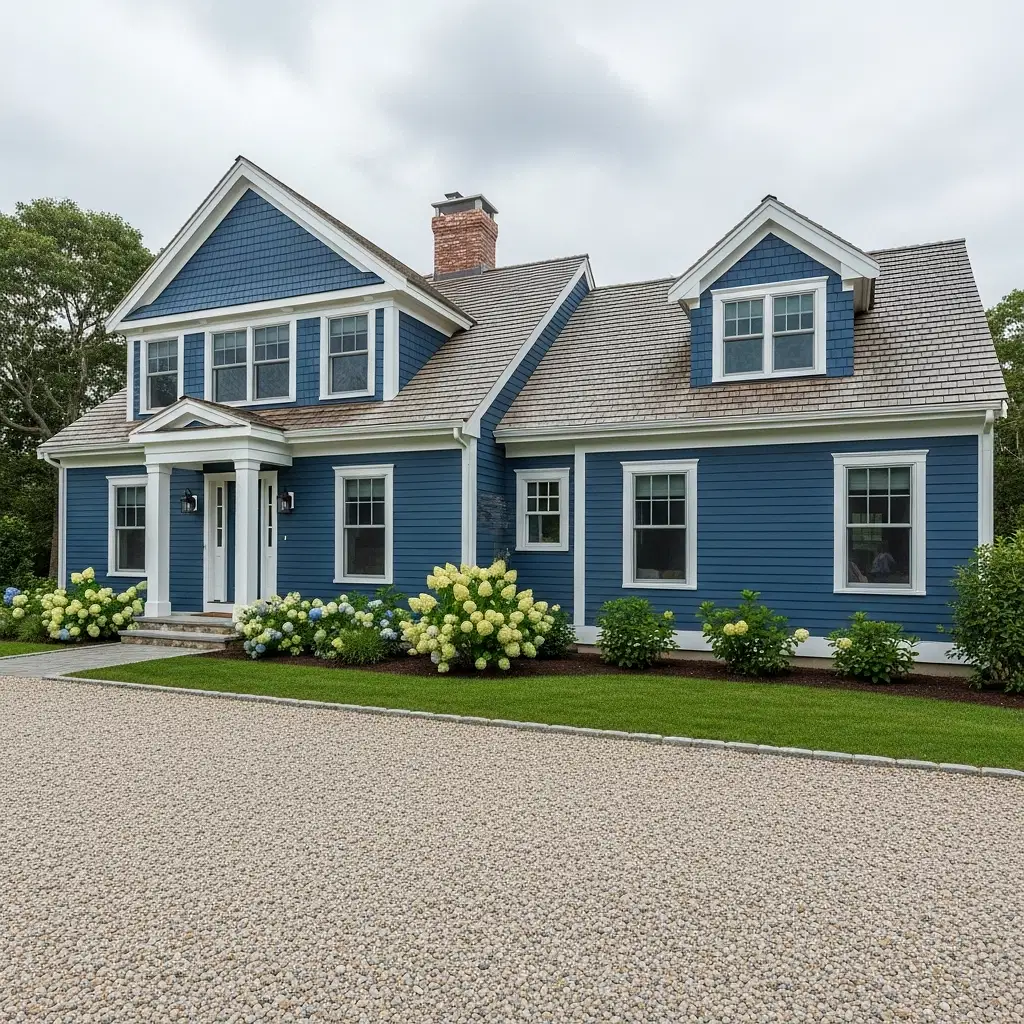
Living in an older home in areas like Doylestown is a unique privilege. These historic homes are more than just structures; they are a tangible link to our past, filled with character, craftsmanship, and stories. As stewards of these properties, maintaining their exterior is not just about curb appeal—it's about preserving a piece of local history. A professional exterior painting project is one of the most significant investments you can make, protecting your home from the elements while honoring its architectural integrity.
However, painting a historic home presents challenges that newer constructions simply don't have. It requires a delicate balance of modern techniques and a deep respect for the original materials. This guide will walk you through the essential considerations for painting your historic home, from understanding its unique needs to choosing the perfect color palette.
The Unique Challenges of Painting Historic Homes
Unlike modern homes, historic properties often feature materials and construction methods that require specialized knowledge. The original wood siding, intricate trim, and plaster or stucco surfaces have withstood decades of Pennsylvania weather, and they need a careful, considered approach.
One of the most critical considerations for any home built before 1978 is the potential presence of lead-based paint. Federal regulations, like the EPA's Renovation, Repair and Painting (RRP) Rule, mandate specific lead-safe work practices to protect your family and the environment. Working with a certified firm is not just a good idea—it's a legal requirement and a crucial safety measure.
Beyond lead paint, older homes can present other challenges:
- Moisture Issues: Decades-old wood can be susceptible to moisture, leading to peeling, blistering, and rot if not properly addressed.
- Fragile Materials: Delicate trim, original window glazing, and aged siding can be easily damaged by overly aggressive preparation methods like high-pressure power washing.
- Countless Layers of Paint: Previous paint jobs may be failing at different rates, requiring extensive scraping and sanding to create a stable surface for a new coat to adhere to.
The Foundation of a Lasting Finish: Meticulous Preparation
Any professional painter will tell you that the key to a durable, beautiful paint job lies in the preparation. For historic homes, this phase is even more critical and accounts for the majority of the work. A rushed or improper prep job will inevitably lead to premature failure, wasting your investment and potentially harming your home's historic fabric.
A thorough preparation process should always include:
- Gentle but Effective Cleaning: Removing decades of dirt, mildew, and chalking paint is the first step. This often involves a combination of low-pressure washing and careful hand-scrubbing in delicate areas.
- Scraping and Sanding: All loose and failing paint must be removed to create a sound substrate. Feather sanding the edges of the remaining paint ensures a smooth, seamless transition and prevents the old layers from showing through.
- Repairs and Sealing: This is where true craftsmanship shines. Any damaged wood is repaired or replaced, and gaps in trim and joints are caulked. This not only improves the final appearance but is vital for sealing the home against moisture and drafts.
- Targeted Priming: Old wood and freshly scraped areas require a high-quality primer to ensure proper adhesion of the topcoat and to block stains. Using the right primer is essential for the longevity of the entire system.
Choosing a Palette That Honors History
Selecting colors for a historic home can feel daunting. You want a palette that reflects your personal taste while complementing the home's architectural style and fitting into the neighborhood's character. This is where a professional color consultation can be invaluable.
An experienced consultant can help you navigate historical color schemes, whether you own a Victorian, Colonial, or stone farmhouse. They can also show you how to use color to accentuate your home's best features, such as ornate trim, beautiful brick, or classic stucco. At Daddy & Sons Painting, we take the guesswork out of this process by offering computer-generated color visualizations. This technology allows you to see how different color combinations will look on your actual home before a single can of paint is opened, giving you complete confidence in your final decision.
Modern Protection for Timeless Architecture
While the goal is to preserve historic charm, we are fortunate to have modern paint technology that offers superior protection. High-quality acrylic latex paints, like the Sherwin-Williams products we trust, provide a durable, flexible finish that can expand and contract with temperature changes. This resilience is crucial for protecting old wood and preventing cracking and peeling.
These advanced formulas also offer excellent color retention and resistance to mildew, ensuring your home looks beautiful for years to come. For specific surfaces, specialized coatings are key. A breathable, high-quality paint is essential for brick to prevent moisture trapping, while flexible elastomeric coatings can be perfect for bridging hairline cracks in stucco.
Ultimately, a professional exterior paint job is an investment in your home's health and heritage. It protects the structure, enhances its beauty, and preserves its value for the next generation.
Trust Your Historic Home to the Experts
Painting a historic home is a labor of love that demands expertise, patience, and a commitment to quality. From meticulous preparation and lead-safe practices to expert color guidance, every step matters.
If you're ready to restore and protect the exterior of your home in Bucks County, our family is here to help. The team at Daddy & Sons Painting LLC treats every project with the care it deserves. Contact us today to schedule a detailed estimate and learn more about our exterior painting and color consultation services.